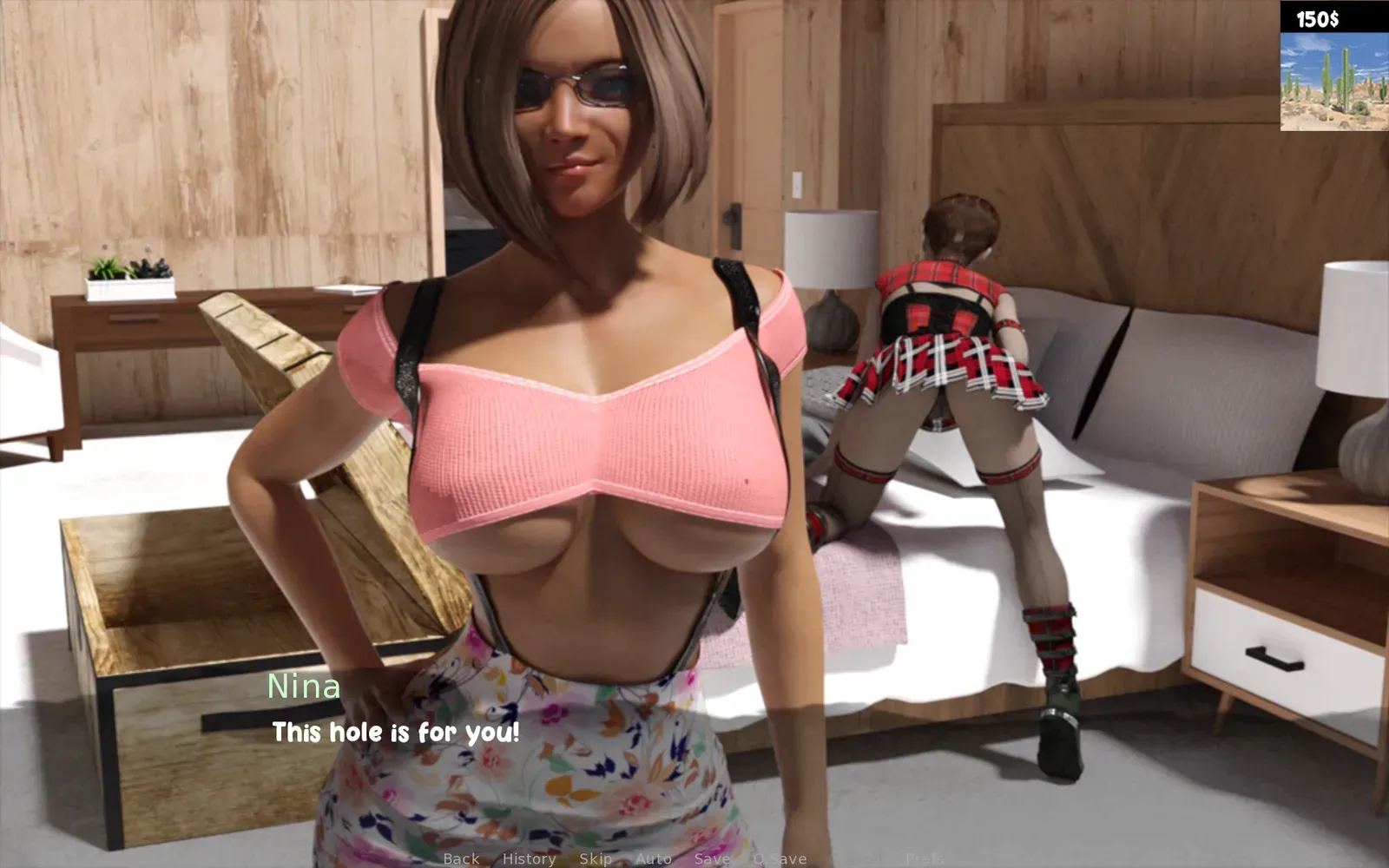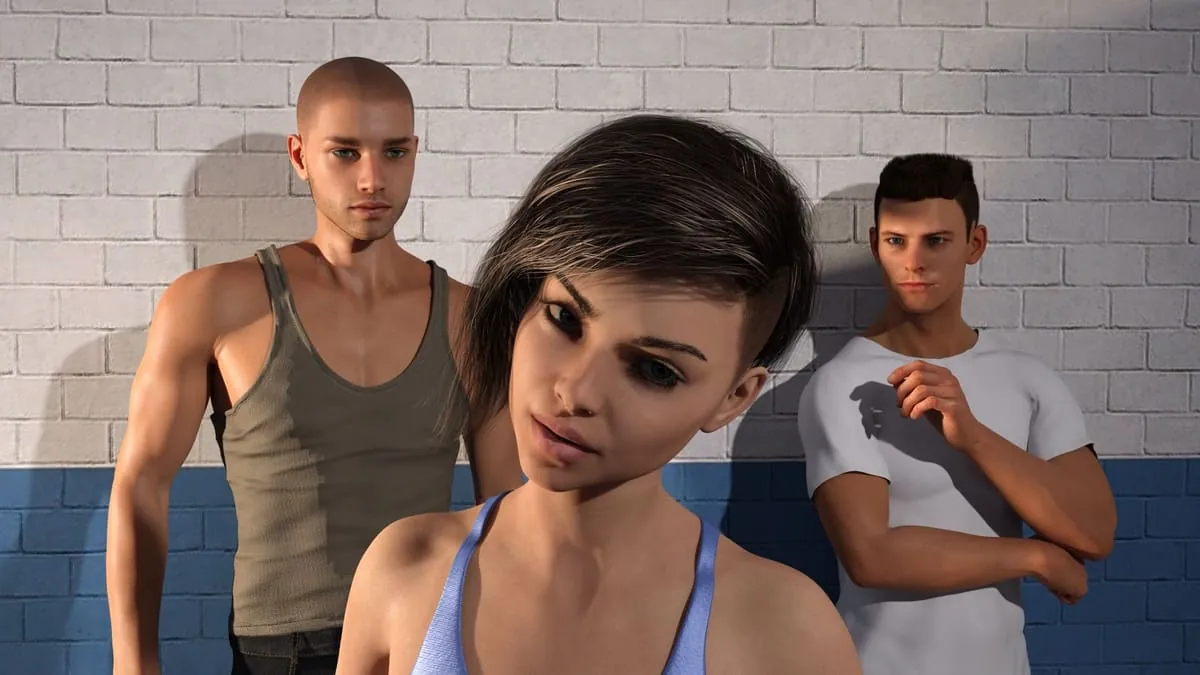
The Guy in Charge
Play The Guy in Charge
The Guy in Charge Screenshots






The Guy in Charge review
Master Choices, Relationships, and Endings in This Gripping Visual Novel
Ever returned home to find everything flipped upside down, with someone else calling the shots? That’s the hook in The Guy in Charge, the uncensored 3D visual novel where you step back into a house full of tension after four years away. A past clash with Karen got you shipped off, and now Devon rules the roost. Your choices decide if you reclaim control, rebuild bonds, or dive into steamy encounters with blowjobs, creampies, and more. I remember my first playthrough—heart racing as I navigated those pivotal decisions. Stick around to uncover how to dominate The Guy in Charge and unlock every path.
What Makes The Guy in Charge a Must-Play?
I remember the exact moment I stumbled upon The Guy in Charge game. It was late, I was scrolling through new visual novel releases, and the premise immediately grabbed me. The tagline was simple: “You are coming home after four years. Nobody wants you there.” That single sentence hooked me. I downloaded it on a whim, expecting a straightforward story. What I got was a layered, tense, and deeply personal narrative that kept me clicking through dialogue choices until 3 AM.
If you are looking for a visual novel where your decisions genuinely matter and where the emotional stakes feel real, you need to understand what makes The Guy in Charge premise so compelling. This chapter breaks down the story setup, the core gameplay mechanics, and why your choices lead to such wildly different endings.
Story Setup: Returning Home After Four Years
The narrative kicks off with a powerful punch. You play as the protagonist, a character who has been living abroad for four years, studying in Europe. The initial excitement of returning home after 4 years quickly curdles into dread. The reason? An incident involving a woman named Karen forced you to leave, and during your absence, your younger brother, Devon, has taken complete control over the household.
Here is the situation you walk into: Devon in charge house means the dynamic has shifted entirely. Your childhood home no longer feels like yours. Devon has established his own rules, his own routines, and a strict hierarchy. He is dismissive, cold, and makes it clear that your presence is an intrusion. Your mother, caught in the middle, seems exhausted and distant. The tension is so thick you could cut it with a knife.
This setup is brilliant because it subverts the typical homecoming narrative. There is no warm welcome, no open arms. Instead, you are an outsider in your own family. The Guy in Charge story summary begins here, with a single question hanging in the air: Can you re-establish your place, or will you be pushed out again?
“The moment I stepped through that front door, I knew nothing would be easy. Devon’s stare said it all: this was his territory now.”
The early scenes are all about sensory overload. You notice the little changes in the house, the way your mother hesitates before speaking, the smug confidence in Devon’s posture. The writing excels at building atmosphere. Every click feels deliberate, every conversation loaded with subtext. This is not a happy reunion; it is a homecoming that feels like a warzone.
Core Mechanics: Choices That Shape Your Destiny
So, what is The Guy in Charge in terms of gameplay? At its heart, it is a choice-driven visual novel with a branching narrative system that reacts to everything you do. You are constantly presented with dialogue options that affect your relationships, your standing in the house, and the ultimate outcome of the story.
The mechanics are intuitive but deep. You navigate through scenes, interact with characters, and make decisions that have immediate and long-term consequences. The game tracks multiple variables, including trust, respect, and intimacy with each character. Your approach can be confrontational, diplomatic, or submissive, and the story adapts accordingly.
Here are some key story triggers and initial choice impacts to keep in mind:
- Respect Level with Devon: Choosing to challenge him directly early on can lock you out of certain paths but earns immediate confrontation.
- Trust with Mom: Offering to help around the house or listening to her worries builds trust, unlocking more personal conversations later.
- Intimacy Paths: Specific dialogue choices with certain characters can initiate romantic or intimate scenes that evolve into more physical encounters.
- The Karen Incident: Your willingness to discuss or hide the truth about what happened four years ago heavily influences how others perceive you.
- House Rules: Following or breaking Devon’s new house rules (like curfew or chores) changes the power dynamic dramatically.
Immediate Impact Examples
- First choice in the kitchen: Defy Devon’s order about cleaning, or comply. This sets the tone for the entire first act.
- Talking to Mom alone: Press her for answers about the past, or respect her silence. Each option leads to different information being revealed later.
- Meeting a neighbor: Being friendly versus standoffish can open up an entirely new subplot involving outside characters.
The beauty of this system is that it feels incredibly personal. You are not just playing a character; you are actively writing their story with every click.
Why Player Decisions Lead to Wild Endings
This is where the game truly shines. Your choices do not just affect the next five minutes of dialogue; they ripple outward to create dramatically different outcomes. The Guy in Charge visual novel is designed for replayability because a single playthrough only shows you one slice of the narrative.
The branching paths are extensive. Depending on your actions, you could end up reconciling with Devon and restoring a fragile family peace. Alternatively, you could drive him further away, leading to a bitter, isolated ending where you leave the house again for good. The intimate scenes, including those involving oral and internal finishes, are not just added for shock value. They are woven into the relationship progression, and you can only unlock them by making specific emotional choices beforehand.
This means that a “wild ending” is not random. It is the logical conclusion of your choices, even if the path there was unpredictable. The current version, 0.21 features, expands on these paths significantly, adding new scenes and extending existing relationship arcs.
The game is available as a free download with optional purchases, which is perfect for trying it out without commitment. It holds a casual category rating 4.3, which tells you that players appreciate how accessible it is without sacrificing depth.
Practical Advice for Your First Playthrough
When you start a new game, do not rush through the opening scenes. Pay close attention to the small details and character reactions. The game’s writing rewards careful reading. Here are a few tips:
- Save often and experiment: The game encourages you to make different choices. Use multiple save slots to test responses with different characters. You can always reload to see where a different path leads.
- Don’t try to be perfect: Some of the most interesting story beats come from making mistakes. A failed persuasion check or an awkward conversation can lead to a more compelling narrative.
- Explore every character: The relationships are multi-layered. Ignoring one character might close off a whole branch. Talk to everyone, even if they seem hostile at first.
I personally save right before any major conversation with Devon. That single save slot has shown me three completely different reactions to the same argument. It is like having a conversation simulator where the stakes are your entire family dynamic.
“This game’s choice system feels incredibly personal. It’s not just about winning or losing; it’s about navigating a broken home and deciding who you want to become.”
Replayability and Long-Term Appeal
The highest value aspect of this title is its replayability for different outcomes. Once you finish your first run, you will likely want to immediately start another. The desire to see “what happens if I am mean to Devon from the start?” or “can I actually build a friendship with Karen?” is strong.
The multiple hardcore encounters and relationship paths are designed so that each playthrough feels like a new story. You are not just grinding through the same text. The dialogue branches so early that even the first hour can be vastly different depending on your approach to the Devon in charge house dynamic.
In short, The Guy in Charge is a must-play for anyone who loves narrative games that respect player agency. It takes a simple premise of returning home after 4 years and turns it into a complex, emotional, and sometimes steamy journey of redemption, conflict, and discovery.
FAQ: Quick Answers for New Players
| Question | Answer |
|---|---|
| Is The Guy in Charge free? | The base game is available as a free download with optional purchases for additional content and scenes. |
| What is the basic story premise? | You return home after four years abroad following an incident with Karen. Your brother Devon now controls the house, and nobody is happy about your return. |
| How long does one playthrough take? | A focused playthrough takes about 4-6 hours, but full exploration of all paths can take 15+ hours. |
The Guy in Charge delivers exactly what it promises: a gripping visual novel where your choices are the driving force behind an unforgettable story. Give it one evening, and you will understand why so many players keep coming back for more.
There you have it—your roadmap to owning The Guy in Charge, from tense homecomings and tricky relationships to those satisfying multiple endings packed with excitement. I’ve shared my own twists and turns through the choices, and trust me, experimenting pays off big time. Whether you aim to sideline Devon, reconnect with Karen, or chase every steamy path, this game delivers thrills tailored to your style. Grab it now, hit start, and see where your decisions take you. What ending will you conquer first? Dive in and take charge today!