
A Wife’s Phone
Play A Wife’s Phone
A Wife’s Phone Screenshots
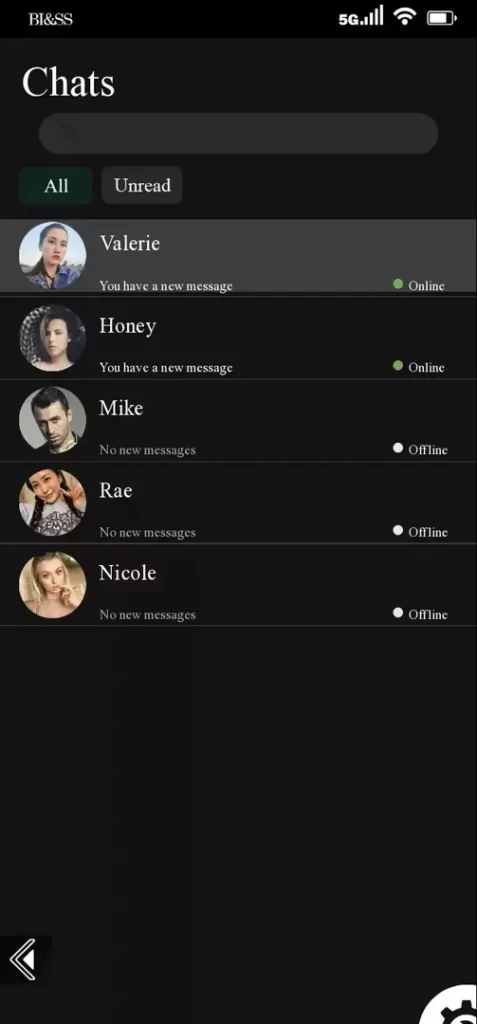





A Wife’s Phone review
Exploring the mechanics, story, and player experience of A Wife’s Phone
A Wife’s Phone is a niche adult-themed interactive game that centers on immersive messaging mechanics and narrative choices designed to engage players in a private, story-driven experience. This guide dives into the game’s concept, how it plays, what to expect from its narrative and mechanics, and practical tips for a safe, enjoyable experience. Whether you’re researching before trying it or looking for strategies and background, this article covers the essential aspects of A Wife’s Phone and shares hands-on insights from players and reviewers.
Gameplay and Core Mechanics of A Wife’s Phone
Let’s be honest, the moment you boot up A Wife’s Phone gameplay, you’re not just starting a game—you’re picking up someone else’s life. Your screen becomes her screen, pulsing with notifications, fragmented conversations, and the heavy silence between messages. It’s an immersive, sometimes unsettling, brilliance. The entire experience is built around one core illusion: that you are holding a real phone, navigating a real relationship at its most fragile point. 🫣
Mastering this isn’t about quick reflexes; it’s about empathy, strategy, and understanding the delicate machinery under the screen. This chapter will break down exactly how it all works, from the messaging interface mechanics that fool your brain to the choice-driven endings your decisions secretly craft.
How the messaging interface works
The heart and soul of A Wife’s Phone is its simulated chat window. It’s so convincing that during my first playthrough, I actually felt my own phone buzz in my pocket at one point—that’s how deep the immersion goes! 📱
The interface is a masterclass in minimalist design. You’ll see a familiar messaging app layout: contact name at the top, a scrollable history of past texts, and your text input box at the bottom. But the magic is in the details. Messages from “Wife” appear in real-time. Sometimes they arrive instantly; other times, you’ll see those haunting “…” bubbles for what feels like an eternity, building suspense about what she’ll say next. This isn’t just for drama; it’s a crucial part of the messaging interface mechanics. The timing of her replies often hints at her emotional state—a delayed response might mean she’s thoughtful, hurt, or distracted.
Your interaction is deceptively simple: you read, and you choose a reply. But the options are never simple “Good” or “Bad.” You’re choosing between tones, subtexts, and levels of intimacy. Do you ask a probing question, offer a deflection, or send a comforting photo from your in-game camera roll? The game frequently uses multimedia messages—photos, voice notes, even social media screenshots—to deliver key narrative clues. You must examine these closely. A seemingly innocent picture of a dinner table might have a tell-tale wine glass in the corner, changing the entire context of the conversation.
Pro Tip: The game doesn’t pause while you deliberate. Sometimes, taking too long to reply is a reply in itself, signaling hesitation or guilt. It’s a brilliant, pressure-filled layer to the A Wife’s Phone gameplay.
Choice-driven progression and endings
Beneath the sleek chat interface lies a complex web of variables tracking your every move. This isn’t a linear story; it’s a fragile ecosystem of trust, suspicion, and desire that you nudge with every tapped response. Your journey toward the game’s choice-driven endings begins with your very first message. 💔
Think of two primary, hidden meters: one for Relationship Stability and one for Truth Exposure. A supportive, open conversation might boost Stability, while a confrontational accusation could raise Exposure but crater Stability. However, the game is wonderfully nuanced. Sometimes, a kind lie maintains peace (helping Stability), and a brutal truth causes immediate collapse (maxing out Exposure). There’s no “right” path, only consequences.
The progression is where A Wife’s Phone truly shines. Your choices don’t just alter the next message; they open or close entire branches of dialogue. Mention a specific detail early on, and it might become a pivotal point of reference chapters later. Ignore a certain topic, and it might fester, emerging in a much more volatile way. I learned this the hard way. In one playthrough, I kept brushing off her questions about a “work late” notification. I thought I was maintaining peace. Instead, I was funneling myself straight into an ending where simmering distrust exploded in a single, devastating text log I never saw coming. It was a powerful lesson: silence is a choice with a voice all its own.
Unlocking different endings requires replay, and this is the game’s greatest strength. You might reach a conclusion that feels final, only to wonder, “What if I had sent that other photo?” or “What if I had confessed earlier?” The choice-driven endings range from bittersweet reconciliations to shocking confrontations and quiet partings. There are no “good” or “bad” ends, only authentic outcomes born from your unique conversation.
Personal Insight: My most memorable ending came from a time I got genuinely frustrated in real life and chose the most emotionally honest, messy reply option instead of the strategic one. The game responded with a raw, unfiltered vulnerability from the other side that completely changed my understanding of the character. It felt less like winning a scene and more like witnessing a truth.
This leads perfectly into save and load tips. To truly explore this narrative maze, you must use the save function strategically.
* Save at major junctures: Right after a major revelation or before a message that feels like a turning point.
* Use multiple save slots: Don’t overwrite! Keep a “branch save” at the start of key conversations.
* Experiment freely: Once saved, you can be intentionally provocative or unusually tender just to see where that road leads, then reload. It’s the best way to appreciate the depth of the A Wife’s Phone gameplay without spoilers.
User interface, controls, and platforms
Wondering how to play A Wife’s Phone on your device? You’re in luck. The game is designed for accessibility, though the experience subtly shifts between platforms. 🎮
The user interface outside the chat window is clean and intuitive. You’ll find:
* Main Menu: For starting a new game or loading saves.
* Save/Load Slots: Typically 5-10 slots, clearly dated and timed.
* Settings & Content Warnings: Crucial for a comfortable experience. You can often adjust notification sounds, vibration, and enable/disable specific content filters for sensitive topics. I highly recommend reviewing these first.
* Gallery/Log: Many versions auto-unlock seen multimedia messages and key conversation logs, allowing you to review clues.
Controls are universally simple: tap or click. On mobile, you might swipe to navigate the phone’s home screen (to check emails or a calendar app, if the narrative uses them). On desktop, it’s all mouse-driven. The genius is that it feels like you’re using a phone, even on a computer monitor.
For the A Wife’s Phone mobile experience, it’s a standalone app you download. This is, frankly, the most immersive way to play. Getting real-time-style push notifications (which can be toggled) that blend with your actual phone alerts is uniquely powerful—and slightly terrifying. The mobile version often feels more personal and immediate.
The desktop/browser version is perfect for longer, more analytical sessions where you might want to take notes or easily manage multiple save files. Performance is generally smooth on both, with minimal technical requirements—a modern web browser or a smartphone from the last few years is plenty.
To wrap it all up, here’s a quick-reference table comparing the key aspects:
| Aspect | Mobile App | Desktop/Browser |
|---|---|---|
| Core Interface | Full-screen, native app feel | Windowed or full-screen browser tab |
| Immersion Factor | High (push notifications, vibration) | Moderate (relies on visual/audio cues) |
| Session Length | Perfect for short, 15-20 min bursts | Ideal for long, 1-2 hour deep dives |
| Save Management | Easy, but fewer slots sometimes | Very easy, often more slots |
| Best For | Privacy & on-the-go play | Story analysis & experimentation |
Finally, a word on privacy and performance. If playing the A Wife’s Phone mobile version with notifications on, consider using “Do Not Disturb” mode or turning off notifications if you’re in a shared space—some message previews can be revealing! 🚫 For performance, closing other apps (on mobile) or browser tabs (on desktop) ensures the timers and animations run smoothly, keeping you locked in that all-important suspense.
Understanding these core mechanics is your key to moving from a passive reader to an active participant in this gripping digital story. It’s not just about what you say; it’s about when you say it, how you say it, and what you choose to see. Now that you know how to play A Wife’s Phone, you’re ready to pick up the device and start the conversation. Just remember: every ping holds a possibility, and every silence speaks volumes.
A Wife’s Phone offers a focused, message-driven interactive experience whose strengths lie in its immersive interface, branching narrative, and replay potential. This article walked through core mechanics, narrative elements, installation and privacy best practices, practical tips for getting different outcomes, and how players have received the game. If you’re curious, start with a short run to learn the pacing and save often; if you value privacy, follow the installation and permission tips earlier in the guide. Try alternate choices in subsequent runs and join community discussions to trade non-spoiler strategies.